
News
ECOWAS: Youth Leadership Emerges as Frontline Force for Peace, Security and Community Resilience in West Africa By Raymond Enoch

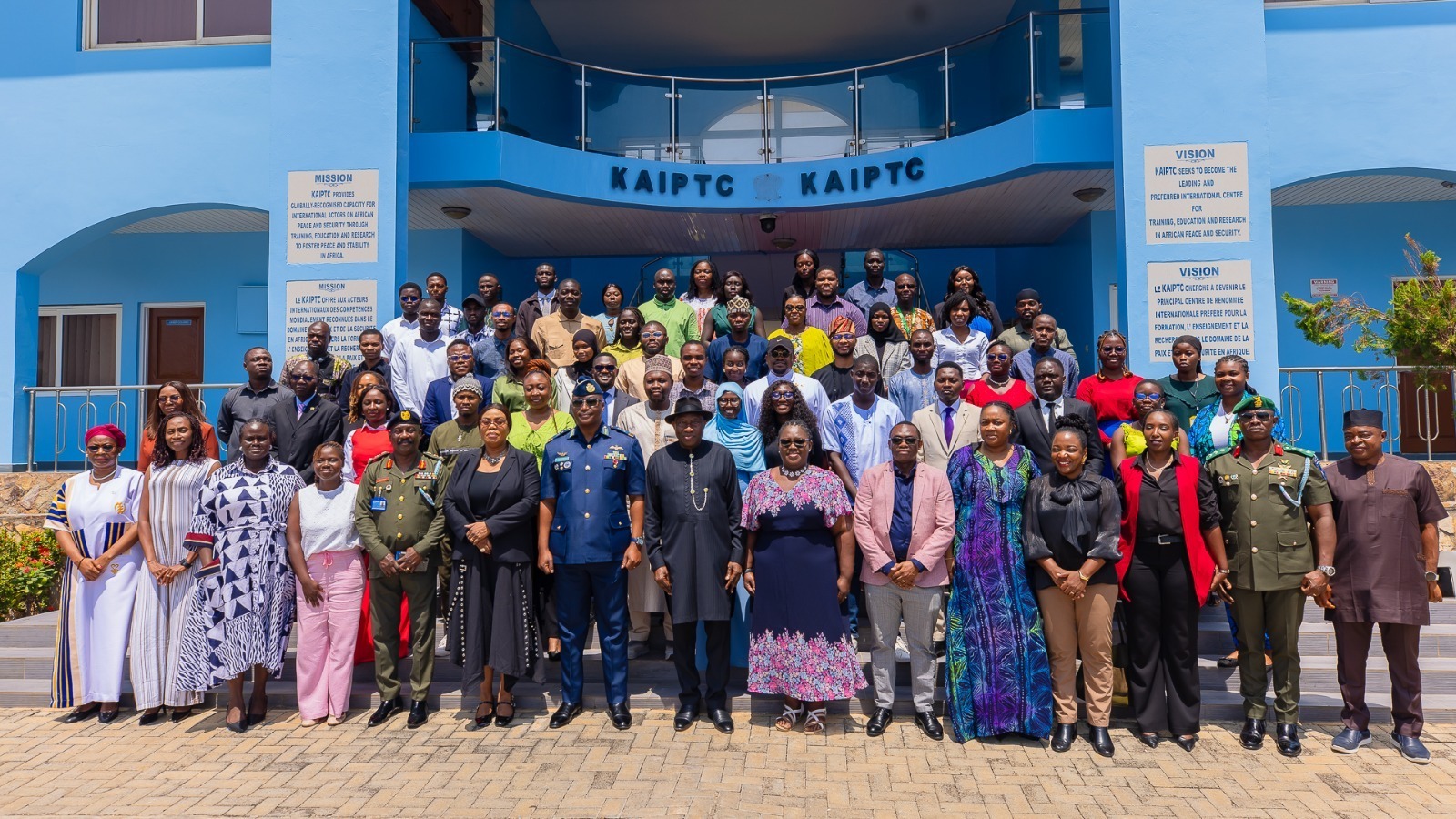
The ECOWAS Commission, through its Directorate of Political Affairs, is strengthening the role of young people in shaping peace, security and development policies across West Africa, with a renewed push to transform youth leadership into practical action capable of addressing the region’s growing security challenges. The initiative, pursued in collaboration with the West Africa Network for Peacebuilding (WANEP) and the German development agency GIZ, underscores the regional bloc’s commitment to advancing its Youth, Peace and Security (YPS) agenda by empowering young people to become active partners in conflict prevention, peacebuilding and community resilience.
This commitment took centre stage at the Regional Youth Leadership Training on Peace and Security, held from 29 to 30 October 2026 at the Kofi Annan International Peacekeeping Training Centre (KAIPTC) in Accra, Ghana, under the theme, “Transforming Youth Leadership and Policy Action to Advance Peace, Security and Community Resilience in West Africa.” The training sought to bridge the gap between youth participation and tangible policy outcomes, equipping young leaders with the capacity to influence decision-making, mobilise communities and develop locally driven responses to violent extremism, political instability, unconstitutional changes of government, electoral tensions, climate-related insecurity and socioeconomic exclusion.
The initiative reflects growing recognition that West Africa’s quest for lasting peace and stability cannot be achieved without meaningful youth participation in governance, security and development processes. With young people representing a significant proportion of the region’s population, their exclusion from decision-making could undermine efforts to build resilient communities and sustainable democratic institutions.
Beyond participation, the ECOWAS-led engagement places emphasis on translating youth energy, innovation and grassroots influence into constructive leadership and policy action. By strengthening the capacity of young people to identify emerging threats, promote dialogue and engage relevant institutions, the programme seeks to position them as partners in preventing conflicts rather than merely victims of insecurity or spectators in regional affairs.
The collaboration with WANEP and GIZ also highlights the importance of partnerships in advancing the Youth, Peace and Security agenda. Through coordinated efforts, regional institutions, peacebuilding organisations and development partners can create opportunities for young leaders to contribute to conflict prevention, social cohesion and inclusive development.
Across West Africa, the security landscape continues to demand innovative and community-centred approaches. Violent extremism, political tensions, economic hardship and the consequences of climate change are placing pressure on communities, particularly those already affected by weak institutions and limited economic opportunities.
In this context, youth leadership offers an important avenue for strengthening early-warning mechanisms, countering divisive narratives, promoting peaceful coexistence and building trust between communities and public institutions. Young people, through their networks and proximity to local realities, can help identify grievances before they escalate into violence and support efforts to resolve disputes through dialogue.
However, turning this potential into measurable impact requires more than training sessions and policy declarations. It demands sustained institutional support, access to decision-making platforms, adequate resources and clear mechanisms through which youth-led initiatives can influence public policy and security interventions.
The ECOWAS Youth, Peace and Security agenda therefore provides an important framework for connecting regional commitments with practical action at national and community levels. Its effectiveness will depend significantly on the extent to which young people’s perspectives are reflected in peace and security strategies and their contributions recognised in implementation processes.
The Accra training consequently represents an opportunity to reinforce the connection between youth leadership, regional policy and community resilience, while encouraging young leaders to move beyond advocacy towards concrete interventions that address the root causes of insecurity.
Ultimately, West Africa’s stability will depend not only on the capacity of governments and security institutions to respond to threats, but also on their willingness to empower citizens, particularly young people, to help prevent conflicts and sustain peace.
By placing youth leadership at the centre of its peace and security agenda, the ECOWAS Commission is reinforcing a critical message: lasting peace in West Africa requires young people to be recognised not simply as beneficiaries of security policies, but as essential partners in shaping and delivering them.


