
Business
ECOWAS VOLUNTEERS TURN DAKAR 2026 YOUTH OLYMPICS INTO A SHOWCASE OF WEST AFRICAN SOLIDARITY, REGIONAL INTEGRATION By Raymond Enoch

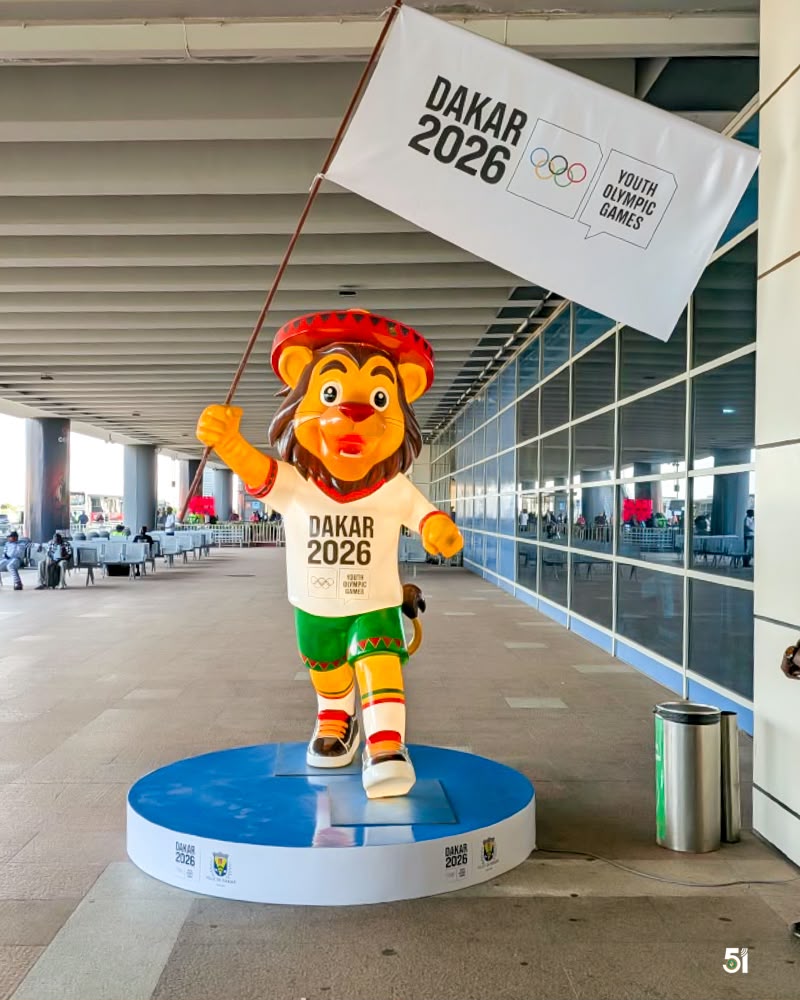
The 2026 Dakar Youth Olympic Games are providing more than a historic sporting platform for Africa; they are emerging as a powerful demonstration of the role young people can play in advancing regional integration, solidarity, social cohesion and human development across West Africa.
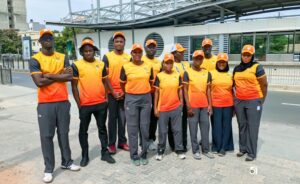
At the heart of the landmark sporting event, the first Youth Olympic Games to be hosted on African soil, are young volunteers drawn from different Member States of the Economic Community of West African States (ECOWAS), whose commitment and collective efforts are helping to strengthen the bonds of regional cooperation and shared identity.
From welcoming international delegations and guiding spectators to providing logistical assistance, mentoring and supporting sporting teams, the volunteers are making significant contributions to the smooth organisation of the Games while projecting the ideals of regional unity and African solidarity.
Their participation reflects ECOWAS’s conviction that young people are not merely beneficiaries of regional integration policies but indispensable partners and active drivers of the Community’s development agenda.
Coordinated by the ECOWAS Centre for Youth and Sport, the volunteer initiative is being implemented under a partnership between the regional organisation and Senegal’s National Olympic and Sports Committee (CNOSS).
Among the volunteers are Olivia Lima Boyanm from Cape Verde, Kader Abdoul Nanlo Coulibaly from Côte d’Ivoire, Naosa Roberts from Liberia and Sheikh Mbenga from The Gambia, whose experiences illustrate how sporting platforms can transcend national boundaries and create opportunities for meaningful regional engagement.
For Olivia Lima Boyanm, participating in the historic Games represents an honour and an opportunity to experience Senegal for the first time. She expressed admiration for the country’s cultural richness and the quality of organisation surrounding the international sporting event.
Similarly, Kader Abdoul Nanlo Coulibaly, a student of sports organisation management from Côte d’Ivoire, described his experience as magnificent, highlighting the cultural diversity, professional exposure and valuable West African network emerging from the Games.
Beyond the practical responsibilities assigned to them, the volunteers say the experience is expanding their understanding of regional identity and the possibilities that cooperation among young Africans can unlock.
For Naosa Roberts of Liberia, the experience has fundamentally broadened her understanding of representation, transforming what initially appeared to be an opportunity to represent her country into a responsibility towards the entire West African region.
“Before coming to Dakar, I was mainly thinking about the honour of representing my country, Liberia. But here, I realise that I am also representing an entire region,” she said.
Roberts noted that despite differences in language, cultural backgrounds and national identities, young people across West Africa share common aspirations for peace, opportunities and a better future.
Her observation underscores one of the fundamental objectives of ECOWAS: building a region where diversity becomes a source of strength rather than a barrier to cooperation, understanding and collective progress.
For Sheikh Mbenga of The Gambia, volunteering at the Games carries an equally important civic and developmental significance.
“Volunteering is not merely a logistical task. It is a way of taking action for one’s community and region,” he said.
He further described the cooperation among young people from different West African countries in Dakar as a practical reflection of the kind of regional community ECOWAS seeks to build.
In his words, the collaboration represents “exactly the West Africa we want to build”.
Their experiences reinforce the importance of youth participation in regional programmes, particularly at a time when West Africa faces complex development challenges requiring collective responses, stronger institutions and sustained investments in human capital.
For ECOWAS, the significance of Dakar 2026 therefore extends beyond medals, sporting records and international recognition. It offers an opportunity to translate the ideals of regional integration into practical experiences that bring citizens, particularly young people, closer together.
By working alongside one another, sharing responsibilities and building friendships across nationalities, the volunteers are experiencing regional integration not simply as an institutional policy but as a living expression of solidarity and common purpose.
The initiative also demonstrates the potential of sports as an instrument of diplomacy, peacebuilding, cultural exchange and youth empowerment, creating platforms through which young people can develop professional competencies, leadership capacities and a stronger sense of regional belonging.
The involvement of volunteers from different ECOWAS Member States further highlights the importance of creating opportunities for young people to contribute meaningfully to regional programmes and development initiatives.
Their message to other young Africans is equally clear: active participation in sports, volunteering and ECOWAS-led initiatives can open doors to professional growth, cross-cultural understanding and wider opportunities for regional engagement.
As Dakar hosts this historic Olympic event, the commitment of these young West Africans offers a compelling reminder that the future of regional integration will depend not only on agreements signed by governments and institutions but also on the relationships, partnerships and shared aspirations nurtured among citizens.
Indeed, through the dedication of its young volunteers, Dakar 2026 is demonstrating that the vision of a united West Africa is best advanced when young people are given the opportunity to lead, serve, collaborate and shape the future they wish to inherit.


