
Business
ECOWAS Sets West Africa’s Digital Trade Action Plan in Motion, Moves to Break Market Barriers for Women, Youth and Small Traders By Raymond Enoch

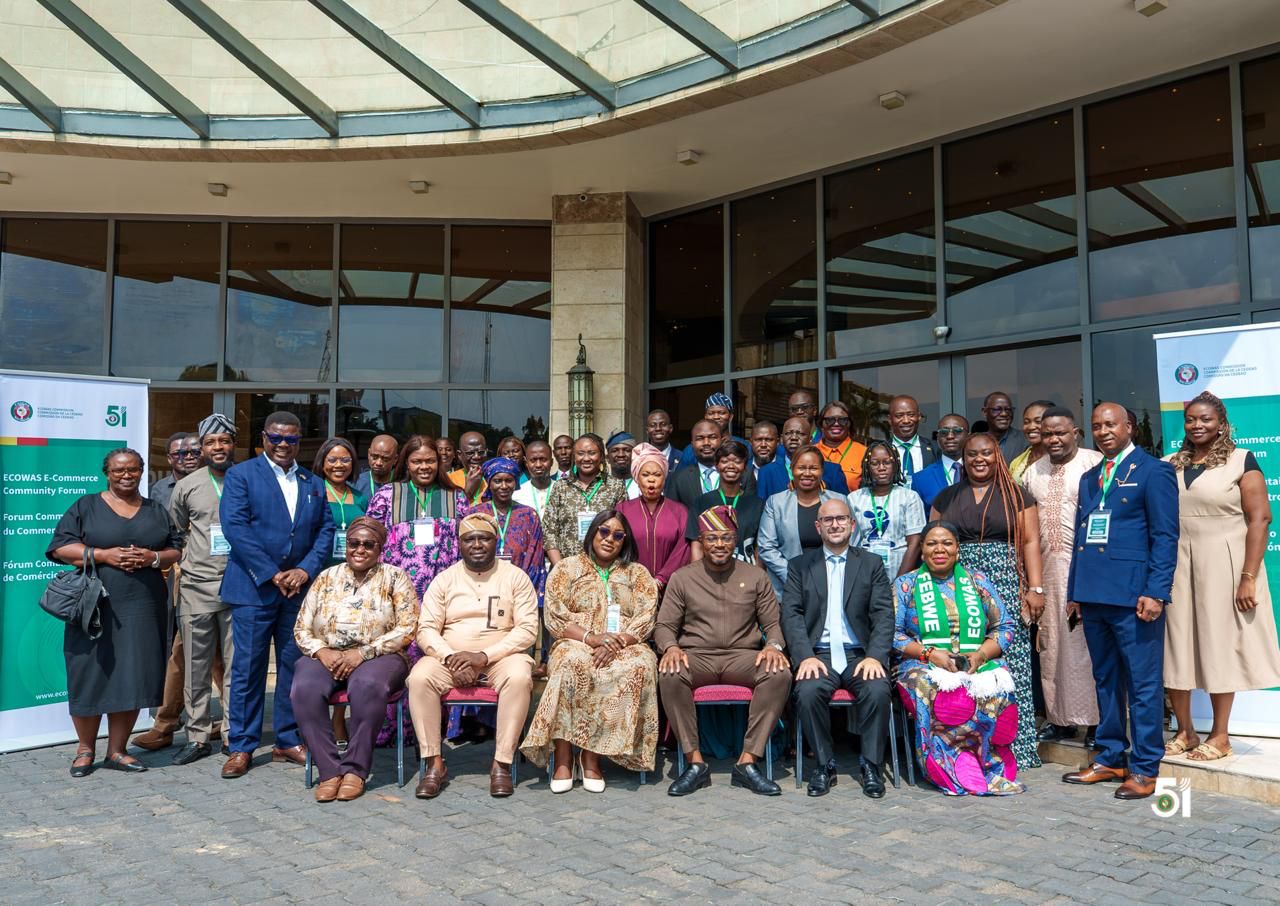
The Economic Community of West African States (ECOWAS) has stepped up efforts to transform the region’s digital trade landscape, with a renewed push to dismantle barriers to cross-border e-commerce and open up regional markets to women, young people, persons with disabilities and small-scale traders.

The initiative, which brings together regional policymakers, trade experts, development partners and representatives of underserved groups in Abuja, is aimed at translating the ECOWAS E-Commerce Strategy (2023–2027) into practical interventions capable of expanding economic opportunities across West Africa.
The ECOWAS E-Commerce Community Forum, holding from October 27 to 28, 2026, is supported by the World Bank through the West Africa Regional Digital Integration Programme (WARDIP). It will be followed by the Second Meeting of the Regional E-Commerce Committee from October 29 to 30.
At the heart of the discussions is the recognition that although digital commerce presents enormous opportunities for regional economic integration, millions of potential traders and entrepreneurs remain constrained by inadequate digital skills, expensive internet connectivity, unreliable payment systems and limited access to regional markets.
The Abuja gathering is therefore seeking to move the conversation beyond policy commitments towards a coordinated regional action framework that makes digital commerce more accessible, competitive and inclusive.
Contributions from representatives of the United Nations Conference on Trade and Development (UNCTAD), Nigeria’s Federal Ministry of Industry, Trade and Investment, the ECOWAS Commission and Senegal’s trade ministry underscored the importance of addressing structural barriers that continue to limit the participation of vulnerable groups in the digital economy.
Among those who highlighted the critical priorities were Mr Alessandro Vitale of UNCTAD; Mr Chike Maikami of Nigeria’s Federal Ministry of Industry, Trade and Investment; and Mr Kolawole Sofola, Director of Trade at the ECOWAS Commission, who spoke on behalf of the Commission’s President, General Birame Diop.
Also contributing were Mr Dehpue Yenpea Zuo, Commissioner for Economic Affairs and Agriculture, and Madame Fatou Diop, representing Senegal’s ministry responsible for trade.
Their interventions drew attention to the need for stronger digital literacy, affordable connectivity, secure electronic payment infrastructure, improved market access and reliable regional trade data as essential foundations for unlocking the potential of e-commerce in West Africa.
A significant dimension of the initiative is its focus on small-scale cross-border traders, particularly women, who constitute a substantial segment of informal regional commerce but often face disproportionate obstacles in accessing digital platforms, financial services and wider markets.
ECOWAS is building on previous interventions through which more than 800 small-scale cross-border traders, mostly women, have received training, with the Abuja deliberations expected to deepen these efforts.
The discussions will inform an Action Plan designed to identify and address the specific challenges confronting underserved groups while strengthening regional cooperation towards sustainable e-commerce development.
Beyond the policy deliberations, the forum will also feature capacity-building activities to equip stakeholders with the knowledge and advocacy tools required to promote inclusive digital trade and influence the implementation of regional e-commerce commitments.
The broader significance of the initiative lies in its potential to reposition digital commerce as an instrument of economic inclusion, entrepreneurship and regional integration, particularly at a time when African economies are increasingly seeking to leverage technology to expand trade and create opportunities for their populations.
For ECOWAS, the challenge is no longer simply to establish a regional e-commerce framework, but to ensure that its benefits extend beyond established businesses and digitally connected urban centres to millions of small traders and emerging entrepreneurs across the 12 member states.
The Abuja forum consequently represents another test of the region’s determination to turn digital integration ambitions into tangible economic opportunities for ordinary West Africans.


